About Colorado Karate Club
Founded in 2005 by Sensei Willy Strohmeier, Colorado Karate Club is a premier martial arts academy dedicated to preserving and teaching the traditional principles of Shotokan Karate-Do.
With locations in Brighton and Westminster, Colorado, our dojo serves students of all ages and skill levels, fostering discipline, respect, focus, and self-confidence through rigorous training and a supportive community. Our mission is to continue a rich legacy of karate excellence that spans generations and continents, empowering individuals to achieve their personal best both on and off the mat.
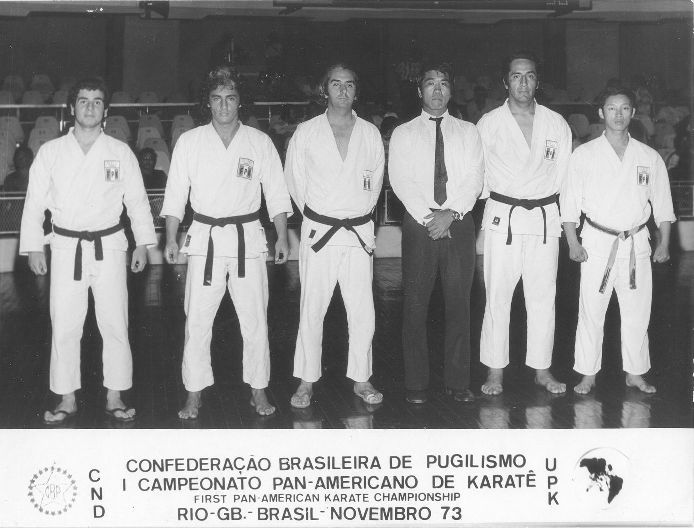
Sensei Luis Chiock - First on the Right - Pan-American Championship, Brasil 1973
Peruvian National Team
A Legacy Rooted in Peruvian Karate Excellence
The story of Colorado Karate Club begins in Lima, Peru, where Sensei Willy Strohmeier's passion for karate was ignited under the guidance of his esteemed teacher, Sensei Luis Chiock Wong around the years 1977-78. A pivotal figure in Peruvian karate history, Sensei Chiock was a standout competitor on the Peruvian National Team during the 1960s and 1970s (Primer Campeonato Panamericano Brasil 1973).
He represented Peru in major international events, including the 2nd Pan-American Karate Championship in Lima, where he showcased his expertise in Kata (forms). Transitioning to coaching in the 1980s, Chiock Wong led the Peruvian National Team to notable successes, including at the World Union of Karate-Do Organizations (WUKO) World Championships in 1986 in Sydney, Australia. His influence extended beyond competition, shaping a generation of karateka with his emphasis on technical precision, mental fortitude, and the philosophical underpinnings of the art.
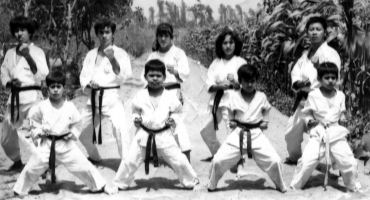
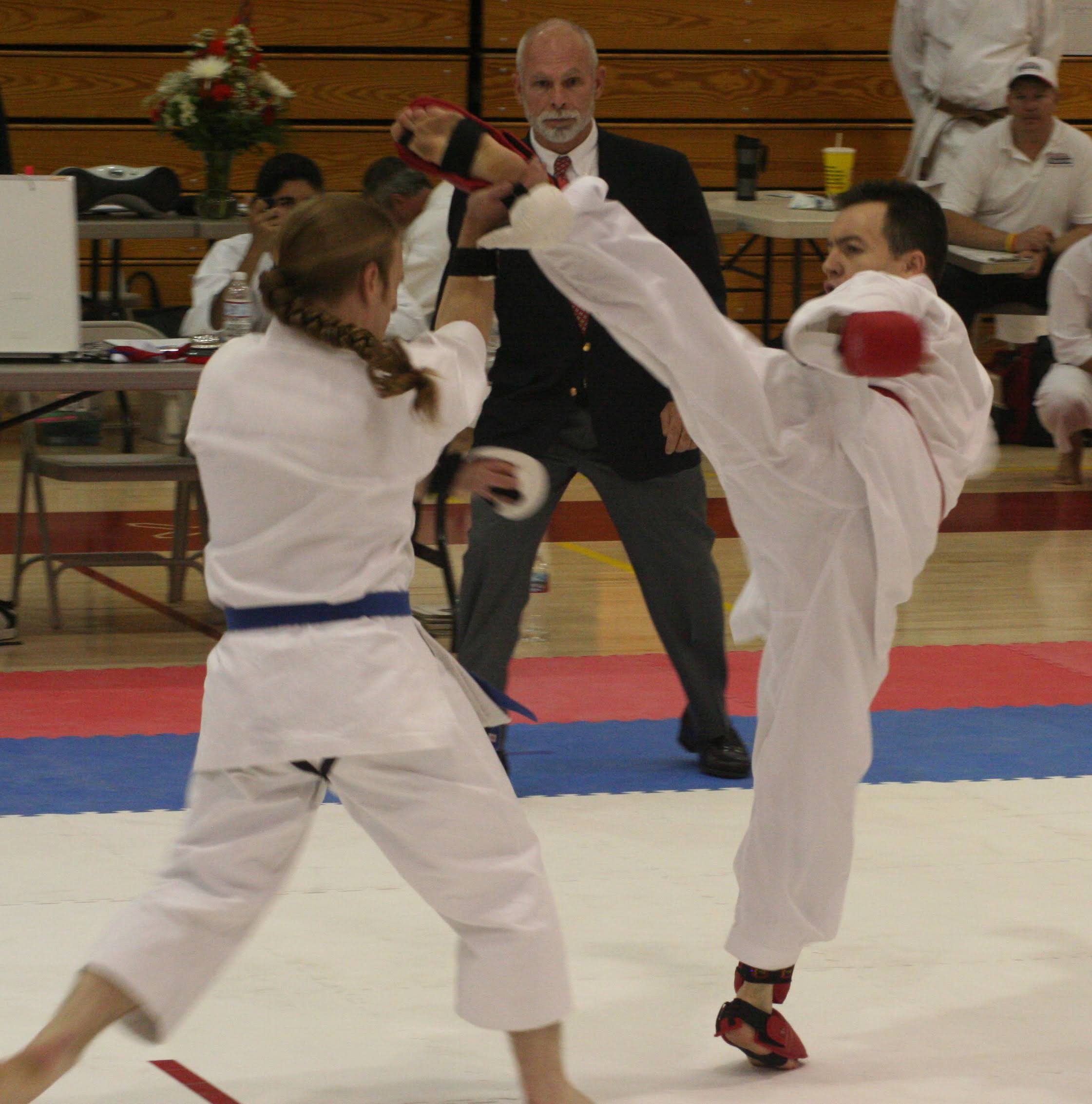
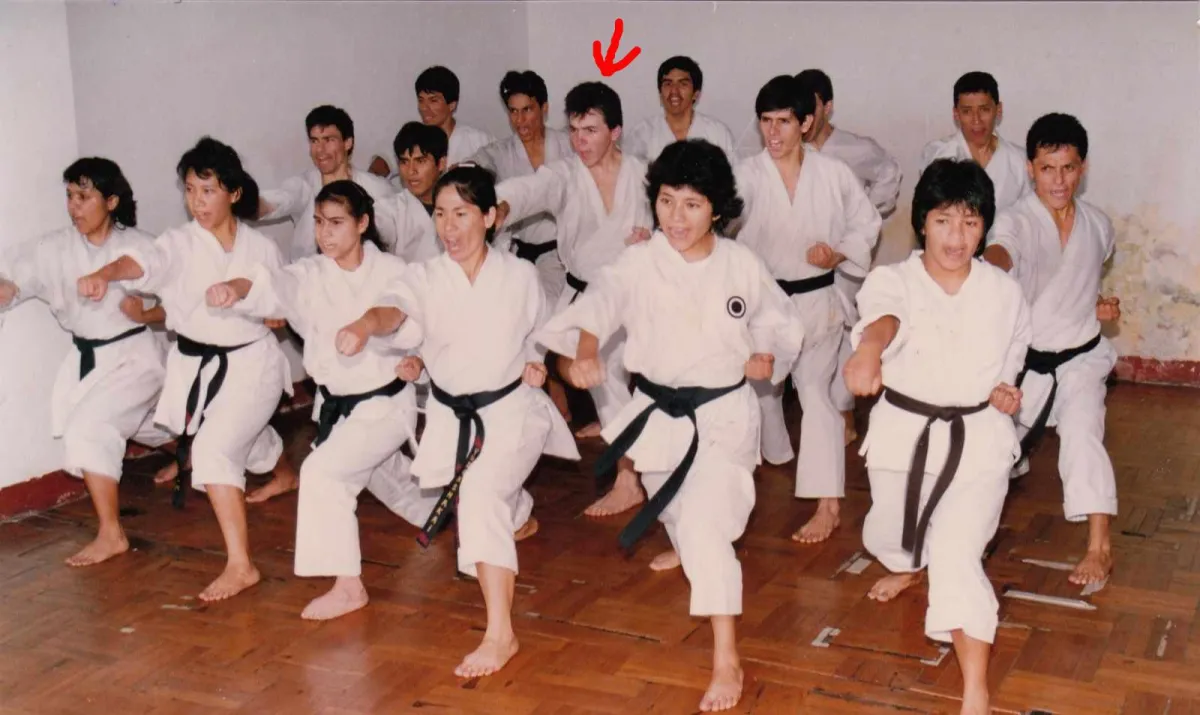
Sensei Willy 1990-1991
Peruvian National Team
Sensei Willy Strohmeier, along with his older brothers Javier and Jorge, grew up immersed in this vibrant karate tradition. The Strohmeier brothers trained rigorously in Peru, becoming integral members of the Peruvian National Team across the 1980s, 1990s, and into the 2000s.
Official records from the Instituto Peruano del Deporte (IPD) document their involvement in national delegations, such as the 1987 team that competed in U.S. championships. Javier and Jorge achieved recognition in international circuits, with Javier facing top competitors like those from Puerto Rico in events such as the 1995 Bermuda competitions, and Jorge earning bronze medals in heavyweight divisions at Pan-American-level tournaments, including bouts against athletes from Venezuela and the Netherlands Antilles.
Sensei Willy Strohmeier's own competitive trajectory is marked by remarkable achievements that bridge continents. As a member of the Peruvian National Team in the 1990s, he secured Gold and Silver medals in the South American Championships in Chile and the Pan-American Championships in Curacao, respectively. Emigrating to the United States in 1991, he continued his pursuit of excellence, becoming a U.S. citizen and integrating into the American karate scene.
In 2007, he represented the U.S. National Team at the Pan-American Karate Championships in Mexico City. His prowess was further highlighted in 2008 with a Silver medal in Sparring at the U.S. Open, one of the most prestigious open tournaments in the sport.
Drawing from over two decades of teaching experience in Peru and the U.S., Sensei Willy founded Colorado Karate Club in Brighton, Colorado, in 2005. The dojo quickly became a hub for aspiring karate-ka. In 2020, the club expanded to Westminster, broadening its reach and impact in the Denver metropolitan area.
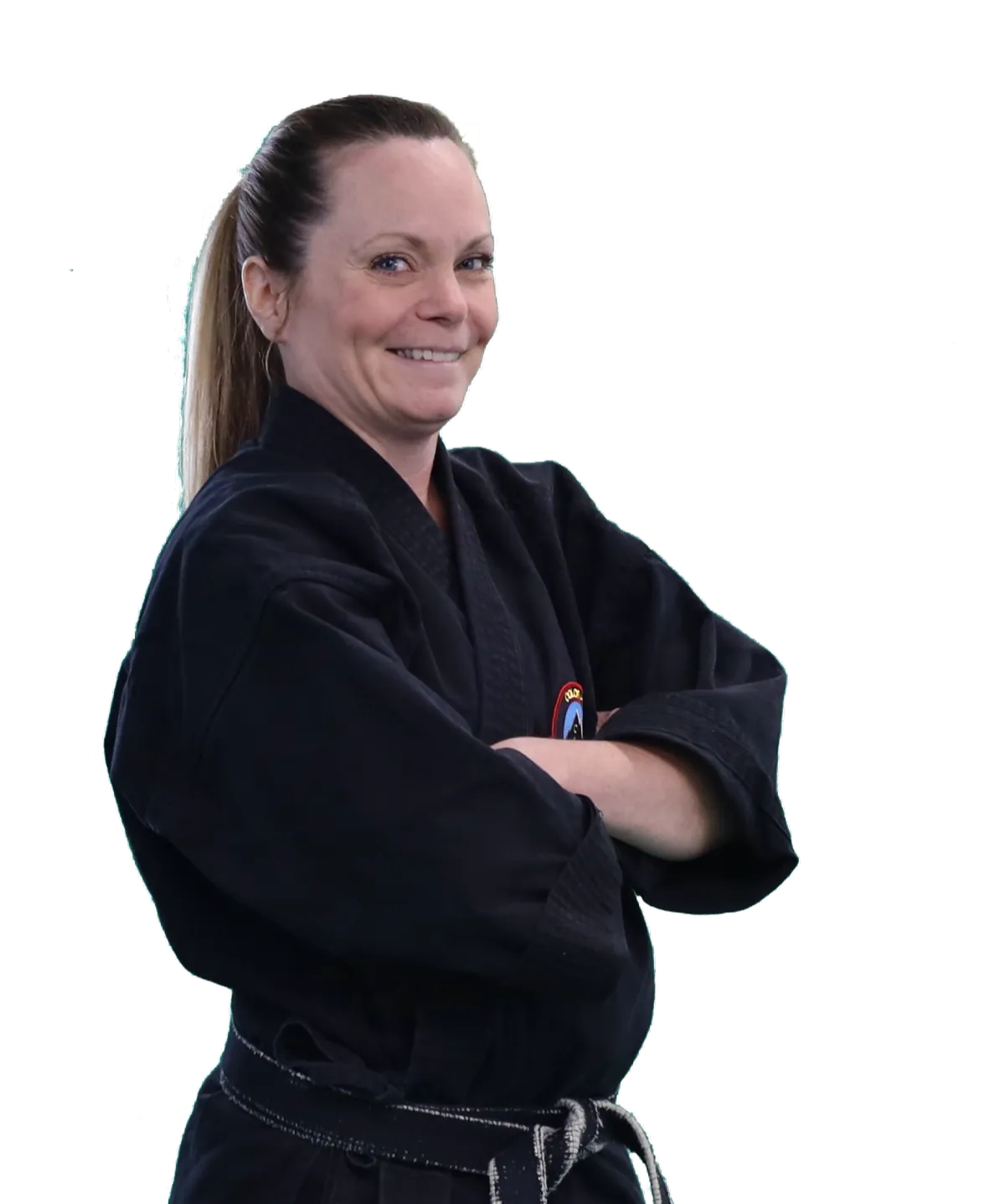
Sensei Kyra Arnold
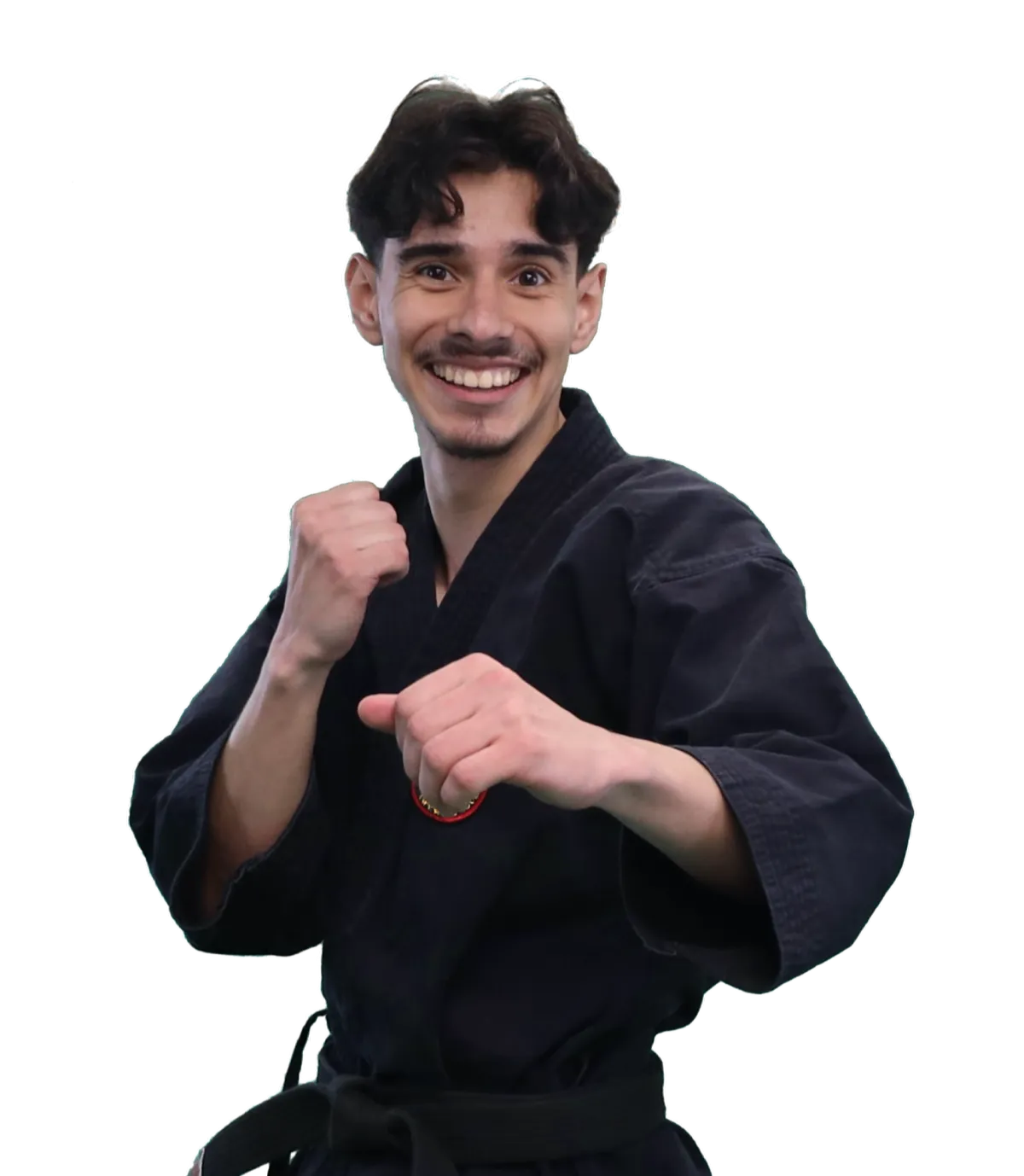
Sempai Axel Peña
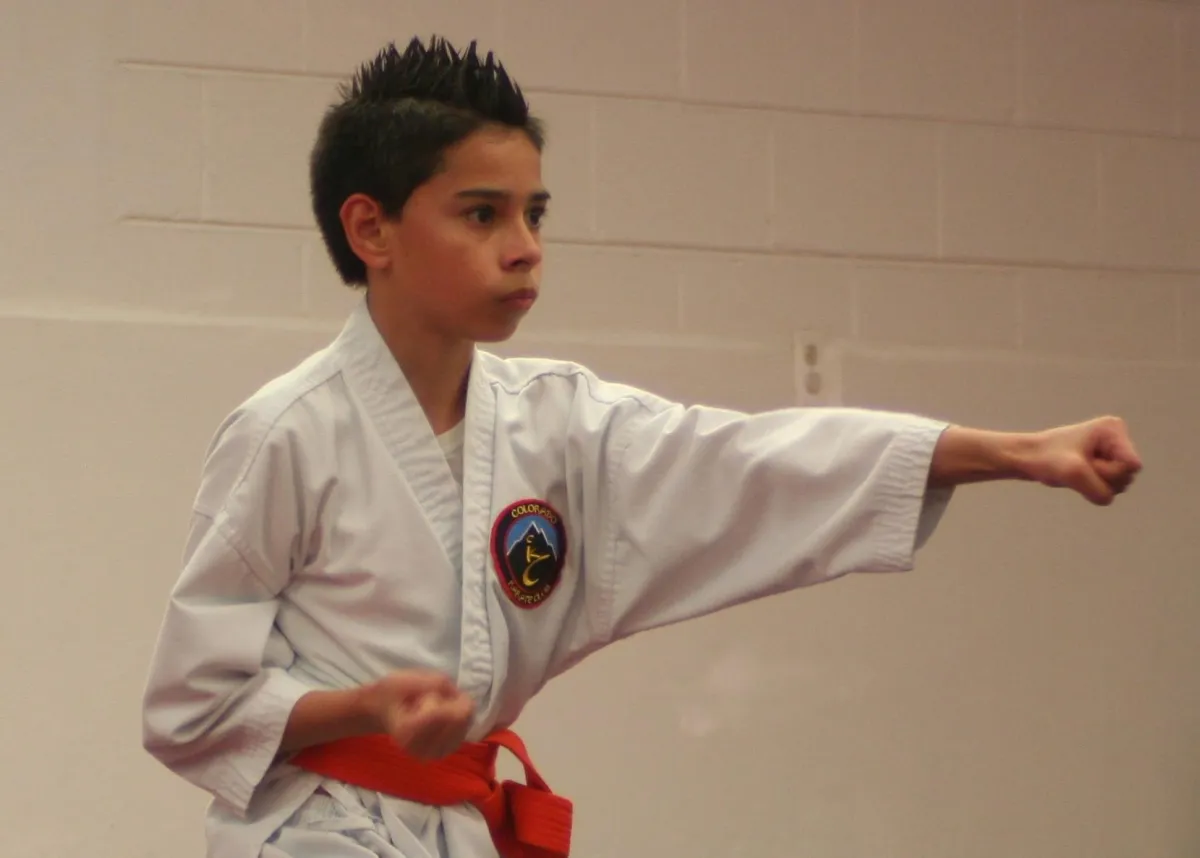
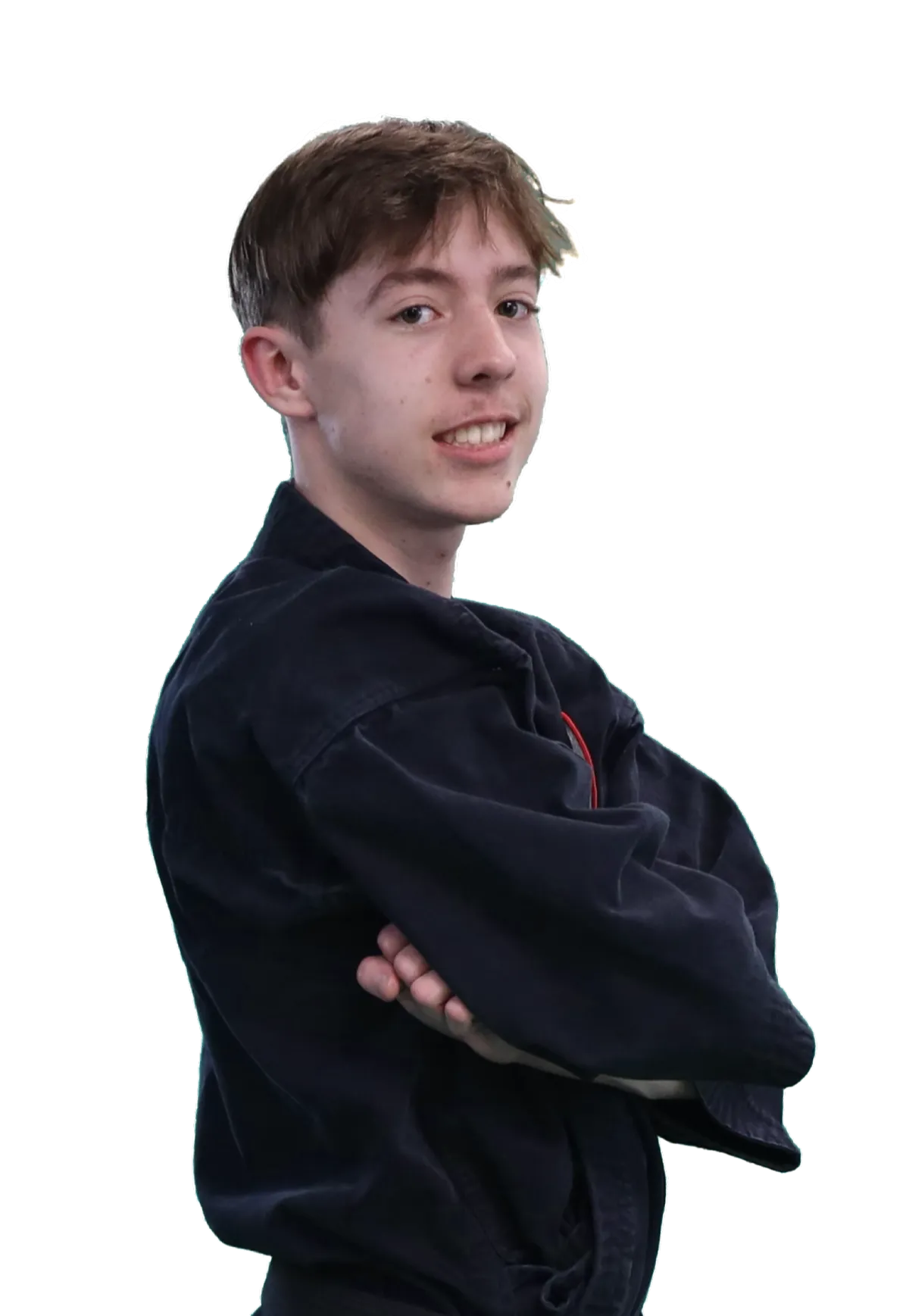
Sempai Trevor Card
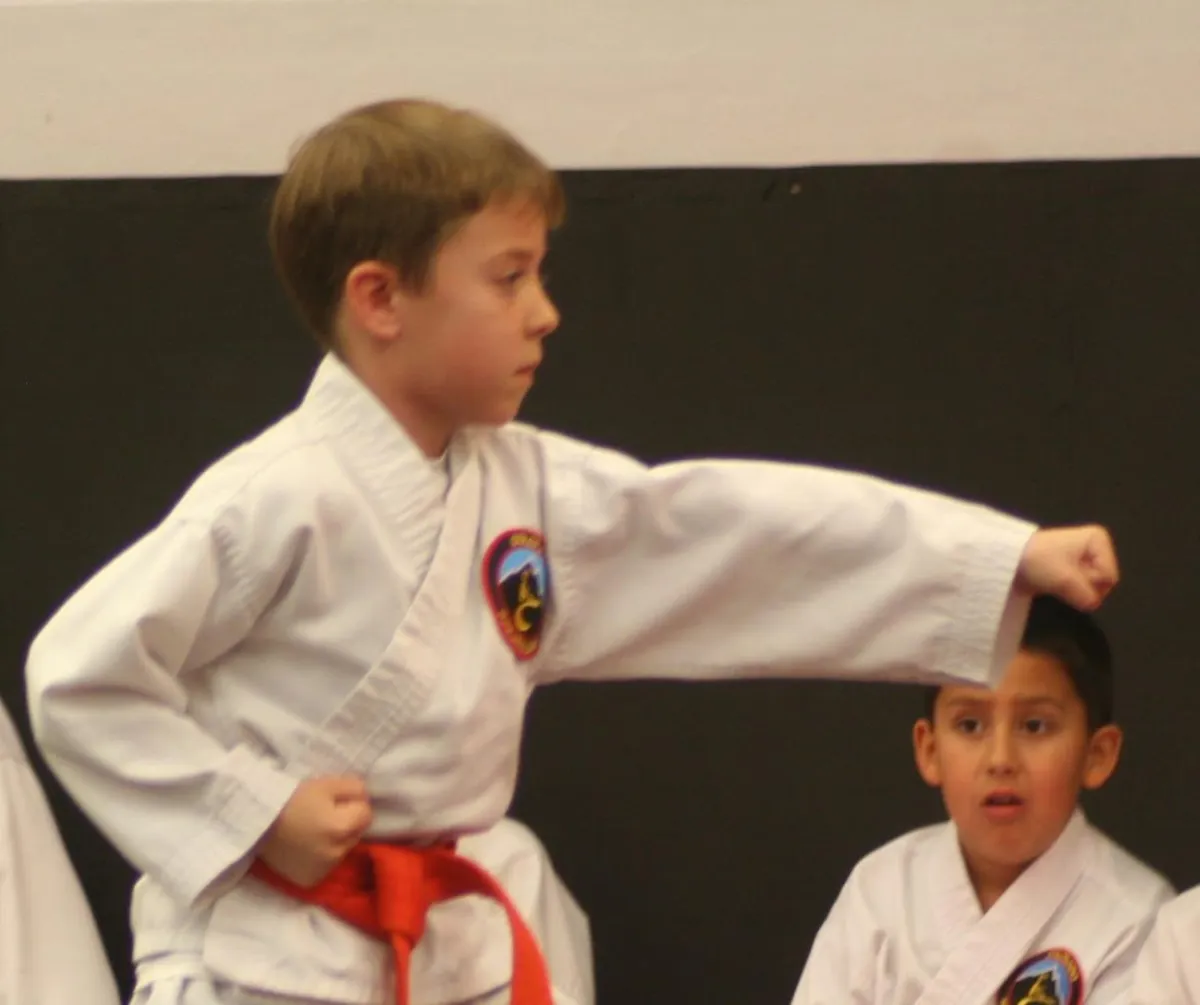
Our Homegrown Instructors: A Testament to Growth and Dedication
At Colorado Karate Club, we pride ourselves on nurturing talent from within. Our instructors are not just skilled practitioners but living examples of the transformative power of karate.
- Kyra Arnold, 3rd Degree Black Belt:
Sensei Kyra is the Head Instructor and Program Director of Colorado Karate Club, Westminster. She started her Karate journey under the tutelage of Sensei Willy Strohmeier in early 2008 and is still a student of his instruction today.
In 2011, Sensei Kyra began volunteering as an Assistant Instructor for Pre-Karate at Colorado Karate Club in Brighton. She has competed in Kata and Kumite in many local and regional tournaments, starting in 2011 and continuing through 2015 with several titles and medals. After hanging up her gloves, Sensei Kyra dove into teaching at Colorado Karate Club as a Lead Instructor at 4th kyu (Purple Belt)
In 2016, Sensei Kyra earned the rank of Shodan and later that year, earned the title “Sensei” for her many years of teaching, coaching, and learning. In addition to teaching Karate, she plans and executes the school’s Character Development Program, mentors our youth as budding future instructors, and works side by side with Sensei Willy Strohmeier on developing student curriculum.
Sensei Kyra instructs our Pre-Karate, Beginner, Intermediate, and Advanced Programs at both the Westminster and in Brighton schools.
- Trevor Card, 2nd Degree Black Belt:
A homegrown talent who began his journey as a Pre-Karate Student at Colorado Karate Club in 2012, Sempai Trevor brings energy and precision to his classes, inspiring students to push their limits in both kata and kumite (sparring). However, he is particularly devoted to inspiring students to be the best version of themselves everywhere they go, the Dojo, Home, School, Work, etc.
Sempai Trevor started alongside his older brother Logan, who was also an instructor at our dojo until his departure to study at the School of Mines Colorado's Engineering Program.
Both brothers earned their black belts after eight arduous years of training. On that path to black belt Trevor failed his purple to brown belt test and as he recalls: "I wanted to quit multiple times. I realized that if I quit now, how would I get my black belt? So I decided to stay and finally earned my black belt. It was an amazing feeling of accomplishment."
He continued: "When sensei offered my brother and I to help teach and instruct I was so excited, and after a few years of teaching, I realize that I have never loved doing karate more than I do now teaching and helping others".
Blast from the past Video, Sempai Trevor, 5 years old Competing in Kata at the Friendship Cup -> <Trevor Card April 2014>
- Axel Peña, 1st Degree Black Belt: Also starting from white belt in 2013, Sempai Axel embodies the club's commitment to lifelong learning. He specializes in foundational training, helping new students develop the discipline and focus that define Shotokan karate.
These instructors, all products of our program, continue the cycle of mentorship, forming the next generation of karate-ka just as Sensei Chiock Wong and the Strohmeier family did before them.
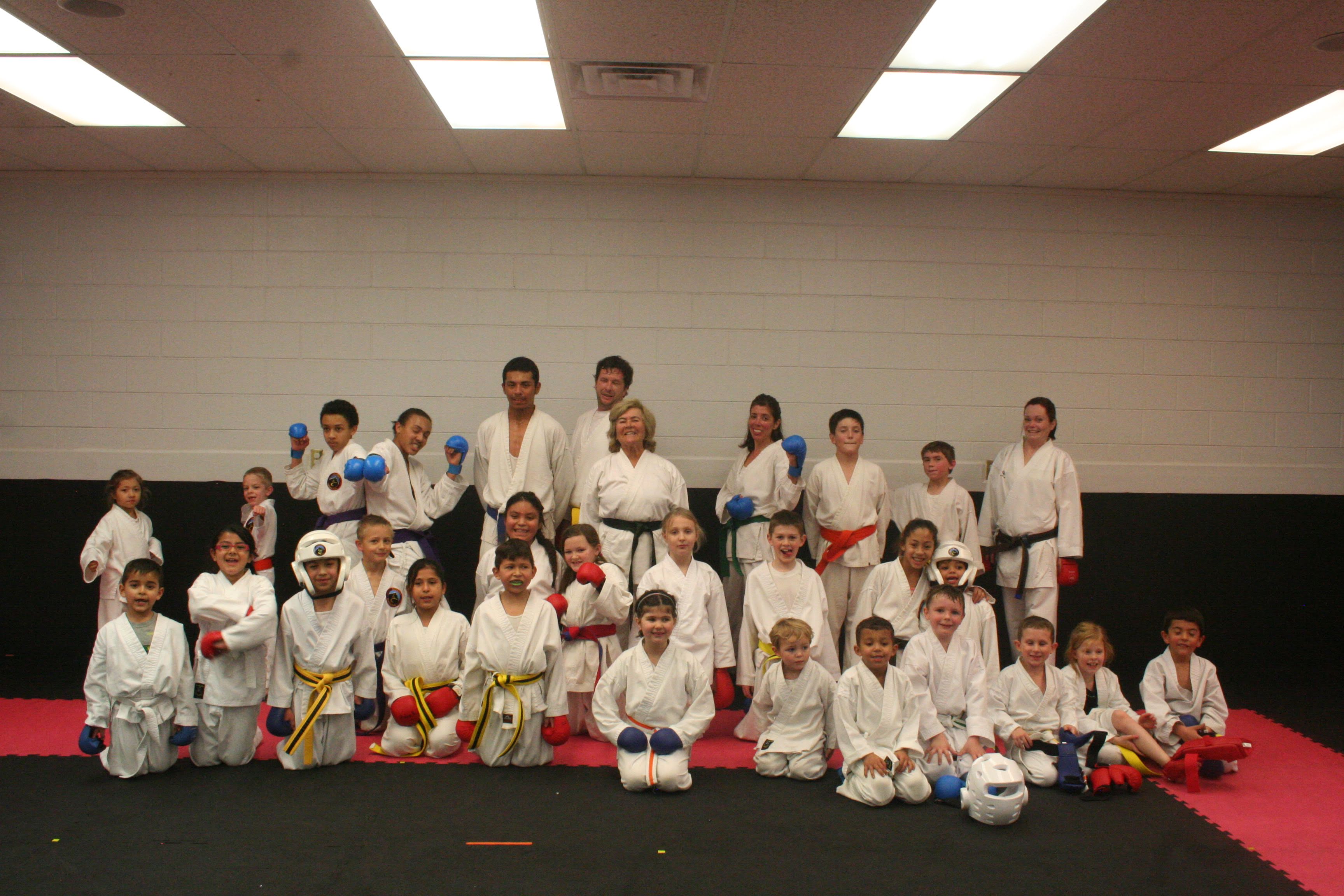
Our Philosophy and Commitment
Colorado Karate Club is more than a training facility, it's a community rooted in the timeless values of karate: respect, perseverance, and self-improvement. Whether you're a child taking your first steps on the mat, an adult seeking fitness and self-defense skills, or a competitor aiming for championships, our programs are designed to meet you where you are and guide you forward.
We honor the lineage passed down from Sensei Luis Chiock Wong through the Strohmeier family, blending traditional Shotokan techniques with modern coaching to create well-rounded individuals.
Join us at our Brighton location (700 S. Main St., off Highway 85 and Bromley Lane) or Westminster dojo (NE Corner of Federal Blvd & 80th Ave), and become part of a tradition that has produced champions for over half a century. For more information, visit our website or contact us at (303) 659-9200. Oss!
How Karate Arrived in Peru
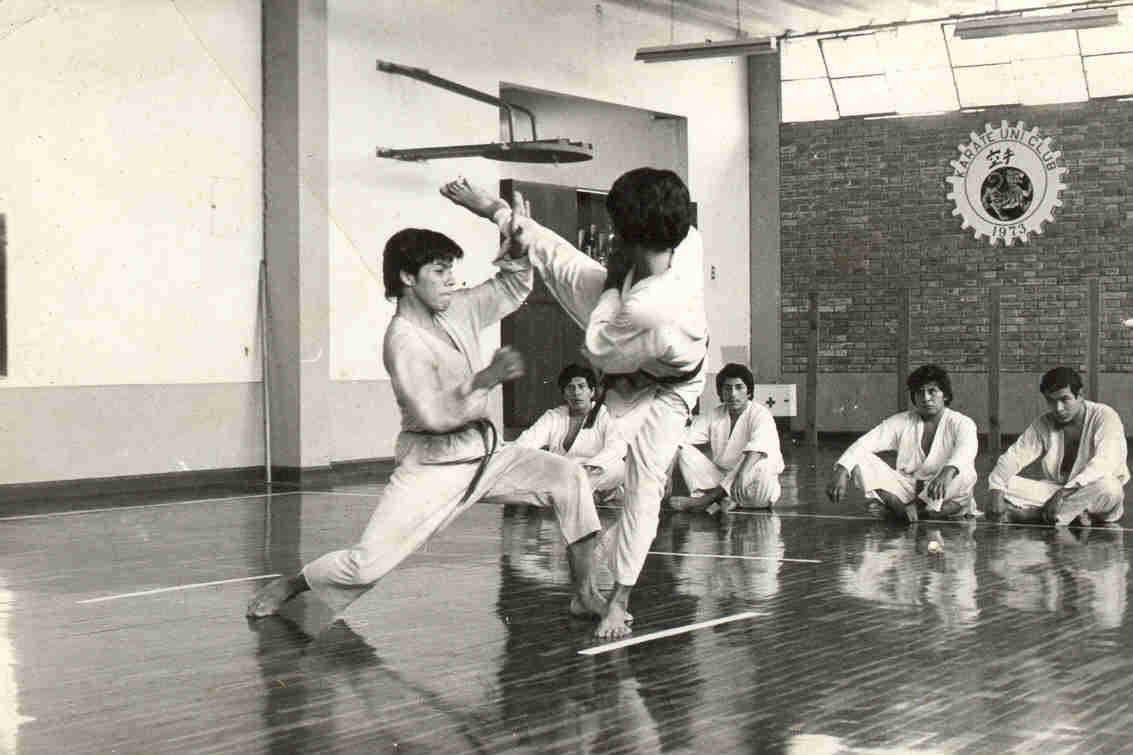
Training at the National University of Engineering
Karate officially began its dissemination in Peru in 1969, the year in which the Peruvian Karate Federation was created, which was led by important Japanese instructors who worked on spreading this discipline.
From its origins, Peruvian karate worked with representative organizations such as the Japan Karate Association (JKA) until 1975, then with the International Amateur Karate Federation (IAKF) until 1984, and since 1985 it has done so with the World Union of Karate-Do Organizations.
In our country, karate has developed a uniform trajectory since its official initiation with the first national championship organized by the Judo and Karate Federation in 1971, one year after the first official championship held in Spain.
With Sensei Kenyi Kimura as national coach between 1970 and 1975, karate in Peru was predominantly Shotokan.
Our country has a marked tradition in karate-do since 1970, when Sensei Kenyi Kimura, sent by the JKA from Japan, began his task of forming an entire generation of followers of the then-unified Shotokan JKA.
The struggle to pave the way was not easy; at that time, there was a large group of practitioners of kung fu and non-orthodox karate styles who practiced martial arts almost exclusively with a mindset of self-defense.
Sensei Kimura began teaching first at the traditional Wilson Dojo in the center of our city and then in 1970 at the then-Peruvian Judo and Karate Federation at Gate 23 of our legendary National Stadium in Lima.
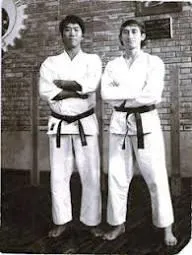
Sensei Kenji Kimura - Left
The small judo tatami housed a small group of practitioners who were the cradle of karate-do in our country, and among them were the students from the karate club of the National University of Engineering, founded in 1968 by Sensei Luis Chiok, who with an organization of more than 200 practitioners provided the support for this task.
In 1973, our national team competed in the First Pan-American Karate Championship held in Brazil, under the direction of Sensei Kenyi Kimura; our selected athletes: Alfonso Leppage, Willy Ortiz, "Wayo" Salas, Luis Chiock Wong, and Pablo Graña made possible the first official participation of our country on the international stage.
From then on, karate in Peru took on a new perspective; initially considered only as a self-defense art, it offered us a new challenge: participation in national championships to attempt the possibility of one day representing our country. Thanks to that drive, the dojos increased their enrollment and the technical level rose notably; Peru was designated as the host of the 2nd Pan-American Karate Championship, which was held in 1975 at the Amauta Coliseum facilities.
The coverage for that event was fabulous; all the newspapers of the time reported on the front pages the arrival of the delegations and dedicated entire pages of photos to the best exponents, Sensei Nishiyama, Sensei Mikami with the United States team, the delegations from Canada, from Brazil with Watanabe who was then the world champion.
Our team delivered a very good performance, with Enrique Sadanori achieving 3rd place in Kumite; Peru presented teams in Kata and Kumite. The kata team was made up of Wayo Salas, Oscar Avellaneda de Mauryt, and Guillermo Terrones, both my classmates from the Faculty of Electronics at the National University of Engineering, who presented Sochin.
In individual kata, Wayo Salas and Sensei Luis Chiock Wong from the University of Engineering; we all remember Chango from Uruguay and Nakamura from Argentina, both with spectacular jumps in Empi and Kanku Sho; however, the individual kata champion was the American James Field with Jion.
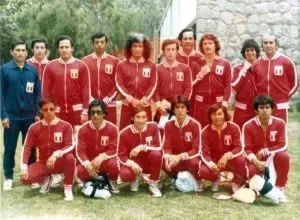
Peruvian National Team - Sensei Luis Chiock bottom left
In 1976, the sensei most appreciated by all of us who started in the JKA decade arrived in Peru: Sensei Koichi Kawaguchi. With Shotokan karate sown in Peru thanks to the basic kumite work developed by Sensei Kenyi Kimura, where a path had to be opened among many practitioners with experience in kung fu and other non-systematized karate styles that were already practiced in Peru as a form of self-defense.
The initial championships in 1971, 1972, 1973 were quite tough; Shotokan was a minority due to the small size of the dojo at Gate 23 of the National Stadium, which was where the Federation had its headquarters; however, clubs like Wilson, Senbukan, and UNI grew rapidly.
The Seigio Ryu group of Sensei Masa, with a Peruvian karate style with applications to real fighting, was the most feared due to the lack of control of its competitors; the current vice president of the FPK, Engineer Eduardo Canales, also from the UNI, belonged to the Tokumeykan academy group in Miraflores, feared for their violent leg attacks.
Eduardo Canales participated for our University of Engineering in the first university championship in 1972, becoming kumite champion in a very violent championship where he knocked out a competitor from Villarreal University with a mawashi to the face. In 1976, Peru once again became the center of karate in South America by hosting the 1st Bolivarian Championship.
Peru managed to win in team Kumite and in individual Kumite with Dante Souza from the UNI, who defeated Ishiyama from Venezuela in the final. (From https://maferulos.blogspot.com/2010/06/como-llego-el-karate-peru.html)
See also Antonio Padilla's Article about the Karate Club at the National University of Engineering in Lima, Peru: https://kunic1968.blogspot.com/2009/10/kenji-kimura-sensei.html
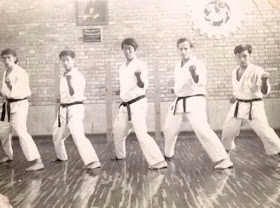
Sensei Luis Chiock, 2nd from the left, next to Sensei Kenji Kimura, middle. At the Engineering University Dojo led by Sensei Chiock
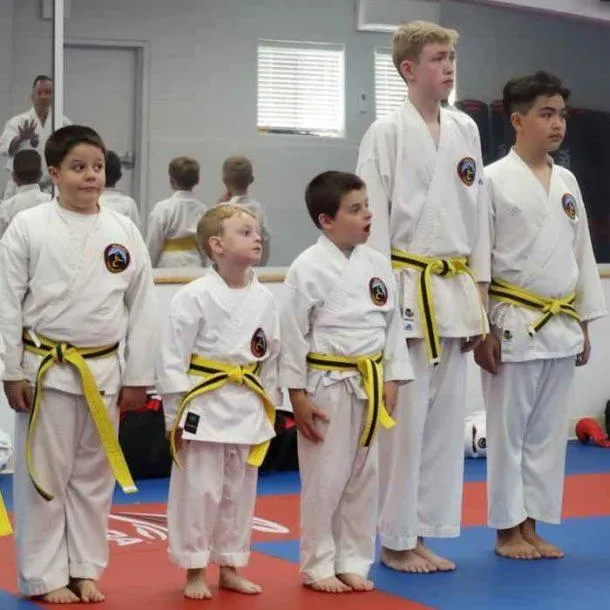
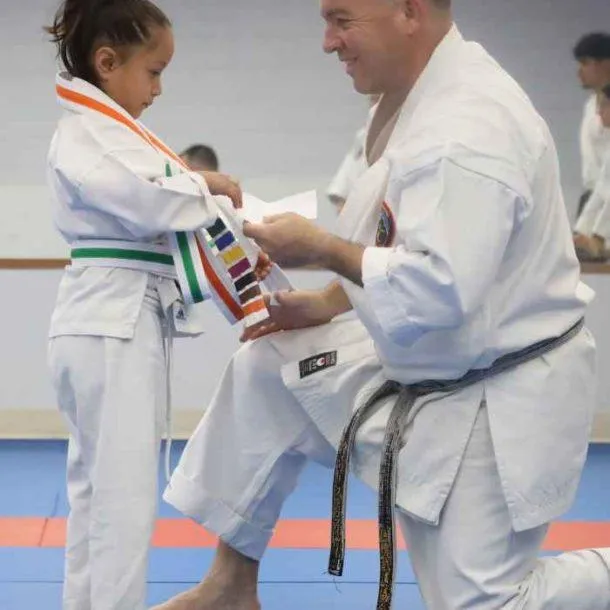
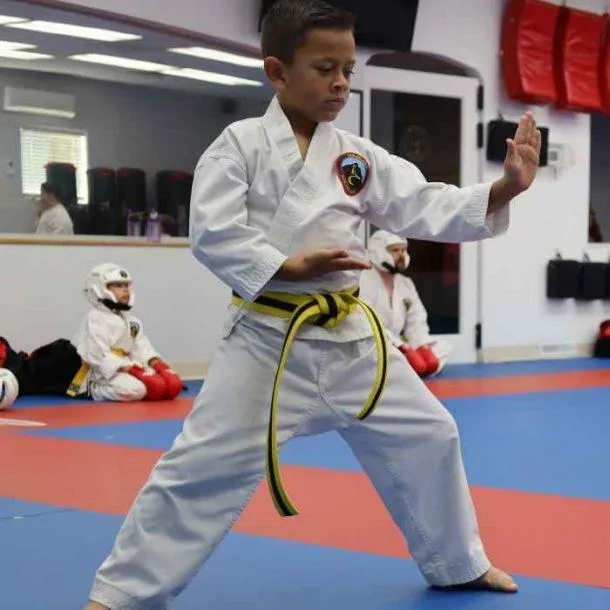
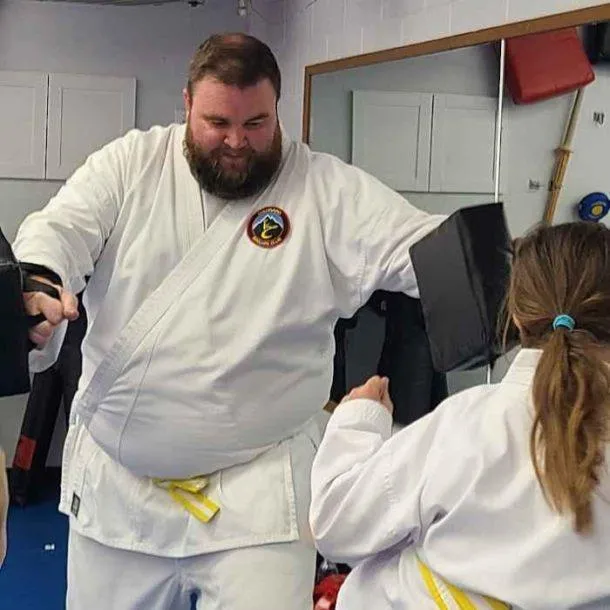
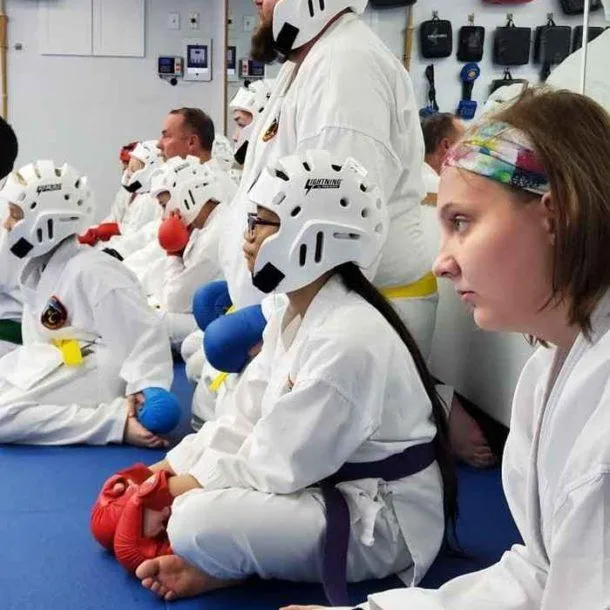
Colorado Karate Club is the dojo to learn self-defense, get in shape, and develop discipline and confidence in children.


Copyright © 2026 Colorado Karate Club. All Rights Reserved